

What are the packaging methods for metallic expansion joints?
Nov 20, 2026
What are the packaging methods for metallic expansion joints?
Hey there! As a supplier of metallic expansion joints, I often get asked about the best ways to package these important components. Metallic expansion joints are used in various industries to absorb thermal expansion, vibration, and misalignment in piping systems, so it's crucial to package them properly to ensure they arrive at their destination in good condition. In this blog, I'll share some common packaging methods for metallic expansion joints and why they matter.
Why Proper Packaging is a Big Deal
Before we dive into the packaging methods, let's talk about why it's so important to get it right. Metallic expansion joints are precision-engineered products. They can be quite delicate, especially the bellows part. If they're not packaged correctly, they can get damaged during shipping. A damaged expansion joint might not work as it should, which can lead to problems in the piping system it's installed in. That means extra costs for the customer, like replacing the joint and dealing with any system downtime. So, proper packaging is not just about protecting the product; it's about keeping our customers' operations running smoothly.
Common Packaging Materials
We usually use a few different materials to package metallic expansion joints. These materials are chosen for their ability to protect the joints from physical damage, moisture, and corrosion.
-
Wooden Crates: Wooden crates are a popular choice. They're sturdy and can provide good protection for larger or heavier expansion joints. The wood can absorb some of the shocks and vibrations that happen during shipping. We make sure the crates are well-constructed, with strong sides and a secure lid. Inside the crate, we use padding to keep the expansion joint in place and prevent it from moving around.
-
Cardboard Boxes: For smaller expansion joints, cardboard boxes are a cost - effective option. They're lightweight and easy to handle. We use high - quality cardboard that can withstand some pressure. Just like with wooden crates, we add padding inside the box. Foam sheets or bubble wrap are great for this. They cushion the joint and protect it from bumps.
-
Plastic Wrapping: Plastic wrapping is used to protect the expansion joints from moisture and dust. We first wrap the joint in a layer of plastic, which creates a barrier. Sometimes, we use anti - static plastic if the joint has sensitive components. This helps prevent any damage from static electricity.
Packaging Specific Types of Metallic Expansion Joints
Bellows Tube Blank
The Bellows Tube Blank is a fundamental part of many metallic expansion joints. When packaging it, we need to be extra careful because the bellows are thin and can be easily dented or deformed. We start by wrapping the bellows tube blank in a soft, non - abrasive cloth. This protects the surface from scratches. Then, we place it in a custom - made foam insert. The foam insert fits the shape of the tube blank perfectly and holds it securely. Finally, we put the foam - encased tube blank in a cardboard box or a small wooden crate.
Double Axial Bellows Expansion Joint
The Double Axial Bellows Expansion Joint is a bit more complex. It has two sets of bellows, which means there are more parts to protect. We first wrap each bellows section with plastic film to prevent moisture and dirt from getting in. Then, we use metal or plastic supports to keep the bellows in their proper position. These supports prevent the bellows from collapsing or getting distorted during shipping. After that, we place the joint in a wooden crate. Inside the crate, we use additional padding, like rubber blocks, to absorb any shocks.
Universal Expansion Joint
The Universal Expansion Joint can move in multiple directions, so its packaging needs to be designed to protect its flexibility. We start by securing the joint's moving parts with straps or clamps. This keeps them from moving around too much during shipping. Then, we wrap the joint in a thick layer of bubble wrap. The bubble wrap provides cushioning and protects the joint from impacts. Finally, we put the wrapped joint in a wooden crate or a large cardboard box, depending on its size.
Rectangular Expansion Joint
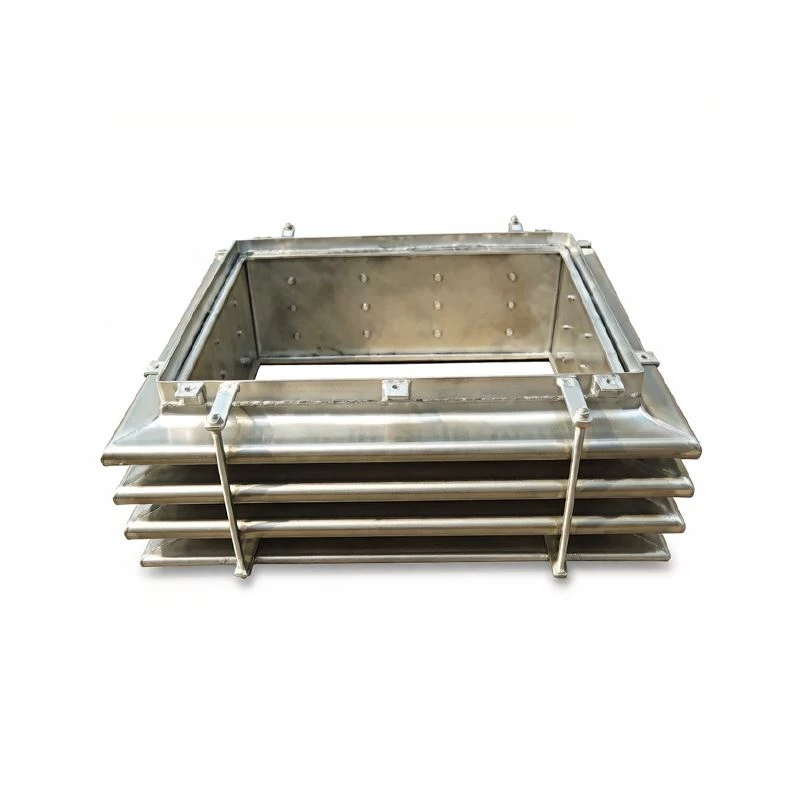
Rectangular Expansion Joints have a different shape compared to round joints. They require a custom - fit packaging solution. We use wooden frames that are built to the exact dimensions of the rectangular joint. The frames provide support around the edges of the joint. Inside the frame, we use foam padding to protect the bellows. The entire assembly is then wrapped in plastic to keep it dry.
Rectangular Bellows with Flanged Ends
The Rectangular Bellows with Flanged Ends need special attention because of the flanges. The flanges are often made of a different material and can be damaged more easily. We wrap the flanges in a soft, rubber - like material to protect them from scratches. The bellows part is wrapped in plastic as usual. We then place the joint in a cardboard box or a wooden crate, making sure to use enough padding to keep the flanges and the bellows safe.
Labeling and Documentation
Packaging isn't just about protecting the product; it's also about providing the right information. We label each package clearly. The label includes the product name, part number, size, and the handling instructions. For example, we might write "Fragile - Handle with Care" or "This Side Up." This helps the shipping company and the customer know how to handle the package properly.

We also include documentation with each package. This can be the product manual, installation instructions, and a quality certificate. The documentation is important because it helps the customer install and use the expansion joint correctly.
Final Thoughts
Proper packaging of metallic expansion joints is essential for ensuring they arrive at their destination in perfect condition. By using the right materials, following specific packaging methods for different types of joints, and providing clear labeling and documentation, we can minimize the risk of damage during shipping.
If you're in the market for metallic expansion joints and want to ensure you get a product that's well - packaged and ready to install, don't hesitate to reach out. We're here to provide you with high - quality products and the support you need. Whether you have questions about the packaging, the product itself, or anything else, just contact us to start the procurement discussion.
References
- "Handbook of Metallic Expansion Joints"
- Industry standards on packaging of industrial components